Chimney Sweeping
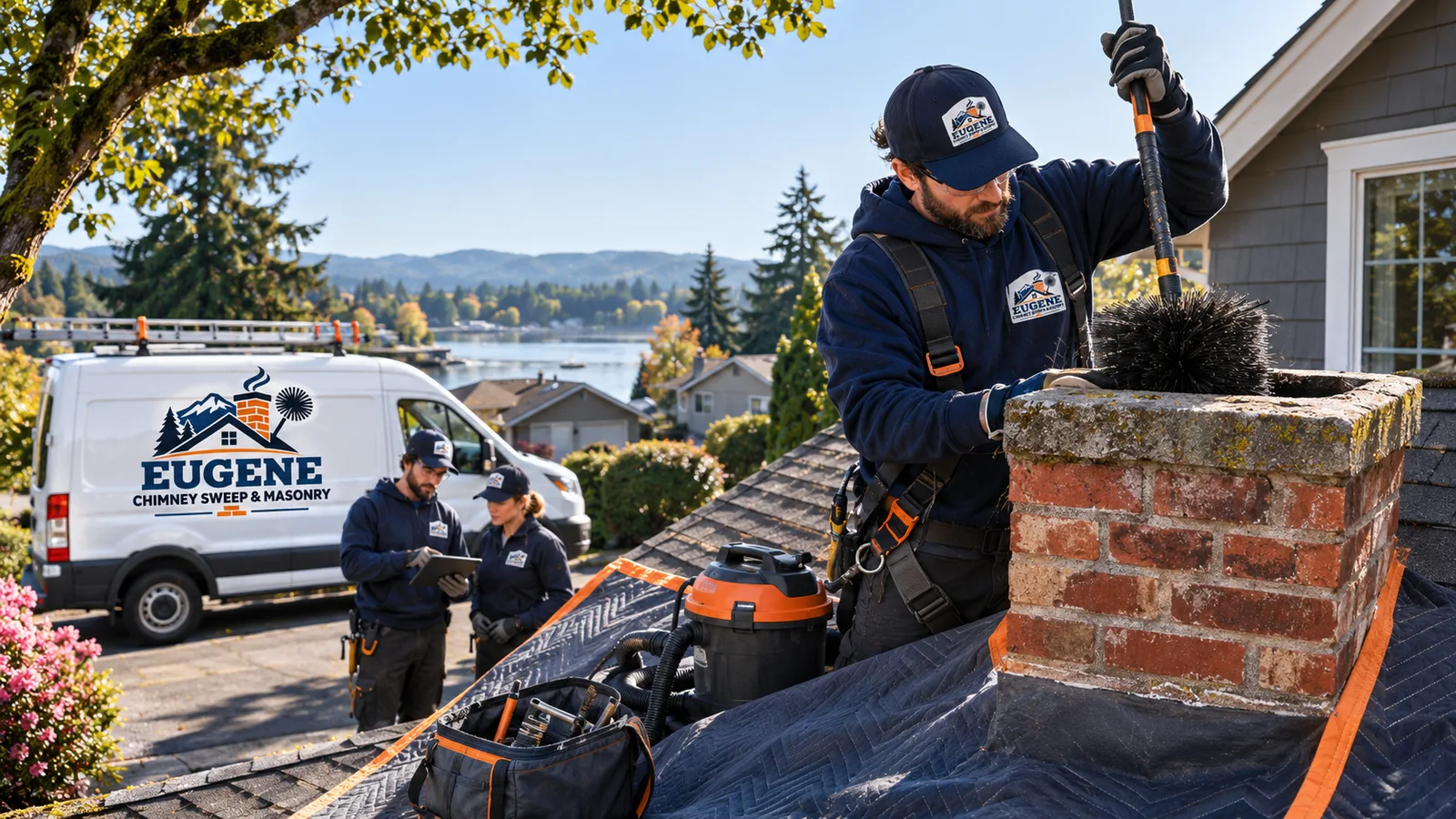
Brushes and rods are selected for the flue shape, size, and lining material. The goal is to remove soot and creosote without damaging clay tile, metal liner, or appliance components.
Serving Eugene, Oregon & surrounding areas
Mon–Fri 8am–6pm Sat 9am–2pm
Chimney Cleaning in Springfield, Oregon
Thorough cleaning, condition-based repairs, and clear inspection findings for a safer, cleaner-burning fireplace or wood stove.
Complete Chimney Care
A professional Springfield chimney sweep removes combustible deposits and checks the accessible parts of the system for conditions that can interfere with safe venting. The work may cover the firebox or appliance connection, smoke chamber, damper area, flue, chimney cap, and exterior masonry, depending on the type of fireplace or stove.
Eugene Chimney Sweep & Masonry approaches this work as an experienced chimney sweep team in Eugene, OR serving nearby Springfield households with practical findings and a scope based on the chimney's actual condition. Before cleaning begins, the technician identifies the appliance and flue type, looks for access limitations, and protects the area around the hearth. Afterward, you should understand what was cleaned, what was observed, and whether any repair or further evaluation is recommended.
Springfield's wet Willamette Valley winters make water management especially relevant. A damaged cap, deteriorated crown, failed flashing, or open mortar joint can admit moisture. Repeated wetting can stain the firebox, corrode metal parts, damage masonry, and shorten the life of some flue components. An inspection can separate a cleaning need from a moisture or structural problem.
Service Scope
The visit can address deposits, accessible components, visible defects, obstructions, and repair priorities across the complete venting system.
Brushes and rods are selected for the flue shape, size, and lining material. The goal is to remove soot and creosote without damaging clay tile, metal liner, or appliance components.
Cleaning can include accessible deposits in the firebox, smoke chamber, damper area, connector pipe, or wood-stove venting, as appropriate for the installed system.
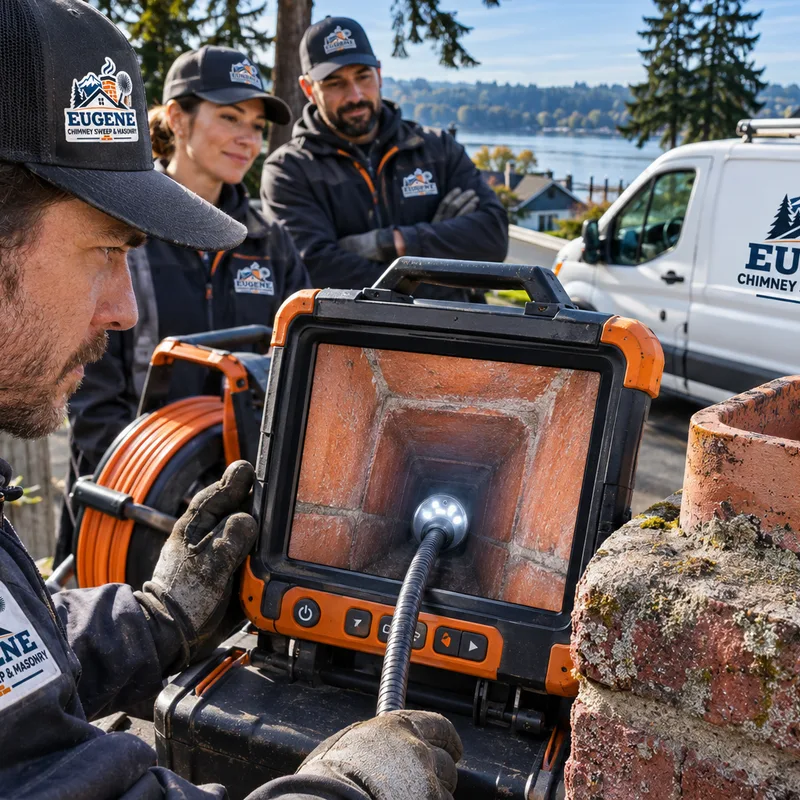
A condition check looks for blockage, damaged or missing components, visible liner defects, water entry, clearance concerns, and signs of improper venting. Camera scanning may be recommended when internal surfaces require a closer view.
Repair scope may involve caps, crowns, flashing, mortar joints, masonry, dampers, or liners. The right repair depends on where the defect is and whether it affects weather protection, draft, or containment of combustion gases.
Nesting material, leaves, and other obstructions can restrict the flue. Removal should be followed by checking the cap or screening so the source of the problem is addressed where practical.
Clear findings help distinguish routine maintenance from work that should be completed before the fireplace or stove is used again.
Professional Soot Control
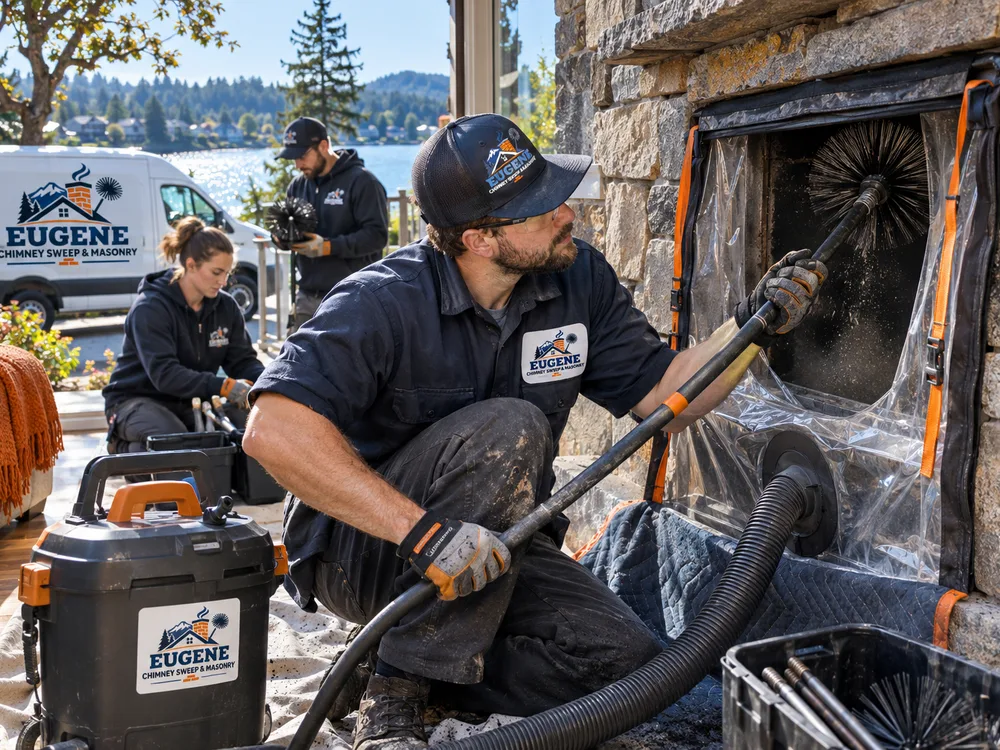
Good chimney cleaning starts with containment. Hearth coverings and dust-control equipment help keep loosened soot out of the living area. The technician then sweeps the flue using a method suited to the system. Rotary or manual brushing may be used, but the tool must match the liner. An aggressive brush that is suitable for masonry may be wrong for a factory-built metal chimney.
Creosote is not always a loose, brushable powder. It can appear as flaky deposits or as a hard, glazed coating. Glazed creosote may require a different treatment plan and more than a standard sweep. Heavy accumulation can also signal operating issues such as cool flue temperatures, restricted airflow, smoldering fires, or burning inadequately seasoned wood.
A cleaning appointment should also account for the smoke shelf, damper, connector joints, cleanout, and cap when those components are present and accessible. Removing material without checking the venting path leaves unanswered questions. Once the work is complete, the technician should confirm whether the flue is clear and identify visible defects that merit repair or a more detailed chimney inspection in Springfield.
Inspection to Completion
Step 1 of 5
The visit starts with the appliance type, fuel, frequency of use, and any smoke, odor, leakage, falling debris, or draft concerns you have noticed.
Step 2 of 5
The technician covers the work area, sets up soot containment, and determines whether the chimney can be serviced safely from inside, the roof, or a combination of access points.
Step 3 of 5
Deposits and obstructions are removed using tools suited to the liner and venting system. Debris is collected rather than released into the room.
Step 4 of 5
Accessible interior and exterior components are checked after cleaning. A camera scan or separate evaluation may be advised if hidden defects, a chimney fire, or an appliance change creates a need for closer inspection.
Step 5 of 5
You receive a clear account of observed conditions. If repair is needed, the scope should identify the affected component and explain whether it concerns water entry, venting, fire containment, or normal wear.
Detailed Flue Review
Arrange an inspection before regular use if the chimney has an unknown service history, the property has recently changed hands, or the fireplace has been idle for a long period. An inspection is also appropriate after a suspected chimney fire, severe weather damage, water intrusion, a change in heating appliance, or any event that may have affected the flue.
Warning signs deserve attention before the next fire. These include smoke entering the room, persistent smoky odor, pieces of tile or mortar in the firebox, rust around the damper, water staining, visible cracks, or a cap that is loose or missing. White deposits on exterior masonry can indicate moisture moving through the chimney, though the source still needs to be identified.
A standard visual review is suitable when the system is readily accessible and there are no known changes or hazards. A more detailed inspection may use video scanning to examine flue joints and concealed surfaces. If parts of the chimney must be opened to investigate a suspected defect, the scope should be discussed before invasive work begins.
Condition-Based Chimney Repair
Chimney repair in Springfield should address the failed component rather than cover the symptom. Water around a fireplace, for example, may come from the chimney cap, crown, flashing, mortar joints, or another nearby roof detail. Each source requires a different repair.
Caps help keep rain, debris, and animals out while allowing exhaust to leave the flue. The crown sheds water away from the top of a masonry chimney. Flashing seals the roof-to-chimney junction. Mortar joints hold masonry units together, while a flue liner provides a continuous path for combustion products. These parts work together, but they are not interchangeable.
Small defects can become harder to correct after repeated exposure to western Oregon rain and freeze-thaw cycles. Loose mortar, cracked crowns, and corroded metal should be evaluated before selecting sealants or coatings. Paint-like waterproofing is not a substitute for sound masonry, and an unsuitable coating can trap moisture. Repairs should use materials compatible with the existing chimney and preserve a proper path for water to drain.
Practical Service Timing
Cleaning and inspection are especially useful before seasonal use, after property or appliance changes, and whenever smoke, odor, moisture, or uncertain history raises questions.
Scheduling before frequent fireplace or wood-stove use leaves time to clean deposits and address defects that could delay safe operation.
A prior owner's burning habits and maintenance records may be unknown. Inspection findings establish the current condition of the flue and venting components.
Smoke rollout, sluggish ignition, or unusual odor may involve blockage, pressure conditions, appliance operation, or flue design. Cleaning helps only when deposits or debris are part of the cause.
Stains, damp odors, rust, or dripping near the hearth call for source-based diagnosis. The cap, crown, flashing, masonry, and nearby roof area may all require review.
A roaring sound, intense heat, dense smoke, or later discovery of glazed or expanded deposits warrants an inspection before the system returns to use.
A new fireplace insert or stove must be compatible with the chimney and liner. Flue size, condition, connection details, and manufacturer requirements affect the plan.
If your fireplace smokes, smells, leaks, or has an uncertain maintenance history, arrange an assessment before relying on it for regular heat.
Call for a Free EstimateHomeowner Questions
A routine chimney sweep often costs about $200 to $450, while difficult access, heavy deposits, multiple flues, camera scanning, or blockage removal can raise the price. These are general planning ranges, not a quote. The final cost depends on the appliance, flue height and shape, roof access, deposit condition, and whether inspection or repair is needed. The exact scope and price should be confirmed before work begins.
Schedule an annual inspection and have cleaning performed when deposits or obstructions warrant it. The right cleaning frequency depends on fuel, appliance type, burning habits, wood moisture, and the amount of use. A fireplace used occasionally may accumulate deposits differently than a wood stove used for regular heat during a wet Willamette Valley winter.
The fireplace can generally return to use after routine cleaning if the inspection finds no unsafe condition and all components are correctly reassembled. Use should wait when the technician finds a blocked or damaged liner, evidence of a chimney fire, an incompatible connection, active leakage affecting components, or another condition that requires repair.
A camera scan is included only when it is part of the agreed inspection scope. A basic review covers readily accessible portions of the system. Video scanning is useful when flue-tile joints, liner surfaces, hidden damage, or post-fire conditions need closer examination. The technician should explain the inspection level before starting.
Smoke entry can result from a blocked or cold flue, heavy deposits, an undersized chimney, pressure imbalance, improper damper operation, or poor appliance-to-flue compatibility. Kitchen exhaust fans and other equipment can also depressurize a tightly closed house. A Springfield chimney sweep can check the venting path, but diagnosis may require observing the fireplace under operating conditions.
Cleaning often reduces odor when soot or creosote is the source, but it will not correct every cause. Damp deposits smell stronger, so a missing cap, cracked crown, or flashing leak may also need attention. Negative indoor pressure can pull chimney odors into the room even when the fireplace is not operating.
Do not use the fireplace or stove until it is fully cool, and remove fragile items from the immediate work area. Keep the route to the hearth open and make the appliance controls accessible. If roof access may be needed, the technician will determine whether weather and surface conditions allow it to be done safely.
Describe the appliance, recent symptoms, and known service history. Eugene Chimney Sweep & Masonry can determine whether you need cleaning, inspection, repair, or a combination based on the condition of the system.